
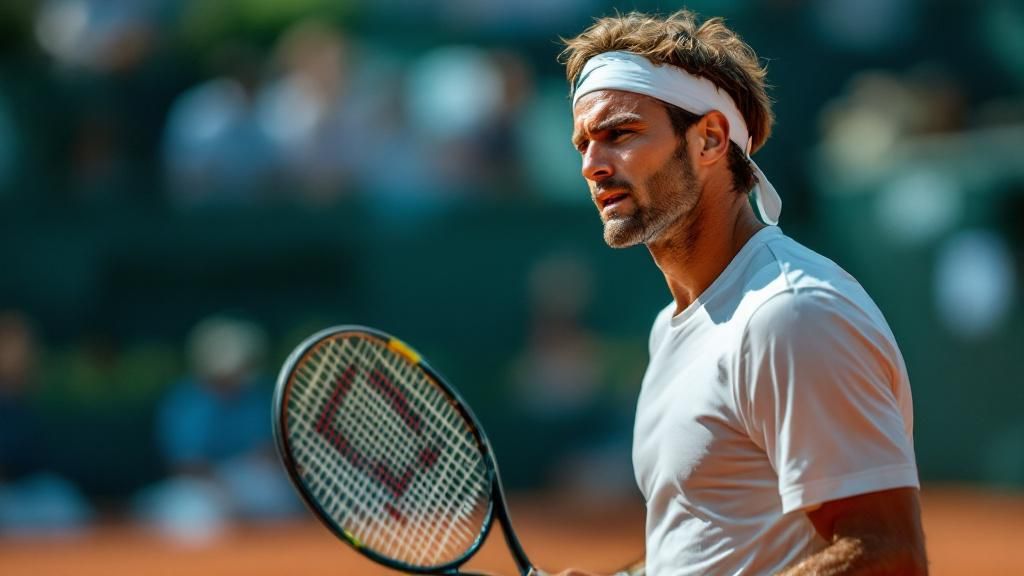
Emma Raducanu has pulled out of the upcoming Linz Open in Austria as she continues her recovery from a viral infection that has disrupted her clay court schedule. The British top player, presently sitting 28th in the world, has decided to focus on her wellbeing over competitive action at the WTA 500 tournament. Raducanu, 23, began experiencing symptoms during February’s Middle East hard-court swing and subsequently sat out the Miami Open, though she did compete at Indian Wells last month. Her representatives announced the pullout on Wednesday, with the competitor keen to make a full recovery before resuming tournament play on clay courts.
Recovery Takes Priority Over Competition
Raducanu’s decision to skip Linz demonstrates a pragmatic approach to managing her wellbeing during what has proven to be another demanding season. The 23-year-old’s illness, which first manifested during the Middle East swing in February, has cast a shadow over her start-of-season performance. By withdrawing now, she is attempting to avoid the cycle of competing whilst unwell, which could potentially prolong her recovery period. Her camp’s readiness to sacrifice ranking points and competitive opportunities indicates confidence that a proper break will produce superior outcomes in the long run than pushing through illness.
This recent setback underscores the ongoing fragility of Raducanu’s career path since her remarkable US Open victory in 2021. Despite positive developments last season—when she finished a full 50-match schedule for the first occasion—physical setbacks keep hindering her development. The first quarter of 2026 have exemplified this pattern: promising moments, including a run to the Transylvania Open final, interspersed with defeats and now health complications. Raducanu will now target the Madrid Open, the opening WTA 1000 event of the European clay season, as her return point, with the French Open in May serving as a future objective.
- Illness started during February Middle East hard-court tournaments
- Claimed 7 of 14 matches across six tournaments this campaign
- Reached Transylvania Open final before sickness derailed form
- Plans to return for Madrid Open in May
A Period Defined by Difficulties and Instability
The 2026 season has demonstrated the inconsistency that has shaped Raducanu’s career since her teenage Grand Slam triumph. With only seven wins from 14 contests across 6 events, the British number one has struggled to build the sustained form needed to launch a genuine bid on the professional tour. The viral illness that occurred in February’s Middle East swing represents merely the most recent of many of challenges that have continually disrupted her momentum. For a player sitting 28th in the rankings, these disruptions early in the season carry special importance, as ranking points become harder to gain without regular tournament involvement.
Raducanu’s situation demonstrates a wider trend of disappointment that has defined her career since winning the US Open title as a qualifying player in 2021. In spite of last year’s progress—completing fifty matches for the first occasion—she has struggled to build upon that base. The coaching change that occurred earlier this year, alongside physical setbacks and inconsistent form, has generated an sense of doubt regarding her prospects. Her representatives’ choice to prioritise recovery rather than competing indicates a recognition that immediate compromises could be required to establish the stability required for sustained performance on the professional tour.
Early Advances Followed by Disappointment
Raducanu did display moments of real potential during the initial stages of play. Her journey to the Transylvania Open final offered hope that she could sustain a competitive challenge at major events. That showing suggested her game contained the calibre needed to compete against the leading players. However, such moments of excellence have been eclipsed by disappointing losses and the accumulating physical strain of competing whilst managing illness. The failure to convert occasional good performances into consistent results stands as her central challenge.
The contrast between her potential and actual output has become increasingly stark. Whilst other players have leveraged the opening weeks to establish ranking credentials and tournament exposure, Raducanu has been obliged to juggle competing priorities between health and competition. Missing Miami following Indian Wells represented a practical move, yet it only prolonged her preparation on clay courts. With the French Open approaching at the end of May, time has become a scarce asset in her bid to establish form on the court where she could genuinely compete for titles.
The Extended Scope of Wellness Concerns
Raducanu’s latest setback represents merely the most recent instalment in a troubling pattern that has dogged her professional path since her extraordinary US Open victory in 2021. The viral infection that has compelled her retirement from the Linz Open is indicative of a broader vulnerability that has repeatedly disrupted her tournament calendar. Since bursting onto the professional circuit as a young qualifier, she has struggled to maintain the regularity needed to establish herself amongst the global elite. Injuries, physical issues and health problems have punctuated her trajectory, preventing the sustained accumulation of ranking gains and tournament experience that her peers have achieved.
The occurrence of this illness proves particularly unfortunate, arriving as Raducanu sought to establish momentum on the clay circuit. Her choice to pull out from Austrian events, whilst prudent from a recuperation standpoint, further disrupts her season and exacerbates the challenge of establishing rhythm before the major championships. The sequence of skipped tournaments—Indian Wells contested, Miami skipped, now Linz withdrawn from—creates a disjointed schedule that makes it ever more challenging to develop the form and confidence necessary for deep tournament runs. Her team’s insistence on prioritising recovery ahead of tournament play shows clear-headed thinking, yet it also underscores the delicate equilibrium she must manage between ambition and physical necessity.
| Season | Key Achievement |
|---|---|
| 2021 | Won US Open as teenage qualifier |
| 2024 | Completed fifty matches for first time |
| 2025 | Reached Transylvania Open final |
| 2026 | Won seven of fourteen matches played |
- Infectious disease emerged during February’s Middle Eastern hard-court tour
- Competed at Indian Wells but pulled out of Miami event
- Plans to compete in Madrid Open in May
Attention on Madrid and the Clay Court Schedule
Raducanu’s withdrawal from Linz represents a strategic bet on her recovery timeline, with the Madrid Open now clearly established as her target as the target for her first appearance on clay. The Spanish capital hosts the inaugural WTA 1000 tournament of the clay season in Europe, providing a significantly higher-profile platform than the Austrian event she has foregone. By placing health first over immediate competitive action, Raducanu is counting on arriving in Madrid sufficiently recovered to deliver a significant performance on the surface that will define her season. The decision demonstrates a sophisticated strategic mindset, recognising that early comeback could worsen her injury and undermine her entire spring campaign.
The French Open stands prominent on the calendar, commencing at the latter part of May and constituting the ultimate objective of any clay-court preparation. Raducanu’s recent run to the Transylvania Open final demonstrated her proficiency on the red dirt, suggesting that a proper recovery period could produce benefits in the weeks ahead. However, the tight timetable between now and Roland Garros leaves scant room for error. Should her condition continue or recuperation turn out to be incomplete, she risks arriving at the second major tournament of the year without adequate preparation or match practice—a scenario that has haunted her career in the past and contributed to the inconsistency that has disappointed both competitors and fans alike.
Timing Your Comeback Carefully
The interval between Linz and Madrid gives Raducanu with around three weeks to restore her fitness and competitive edge. This window represents a fine balance: sufficient time for proper recovery without allowing fitness levels to decline significantly through prolonged inactivity. Her representatives’ confidence in reaching Madrid indicates medical assessments point to a course leading to total recovery within this period. Success at the Spanish capital could provide vital momentum before the rigorous demands of the clay circuit, whilst inadequate recovery would demand further reassessment of her fixture list and major championship preparations.
