
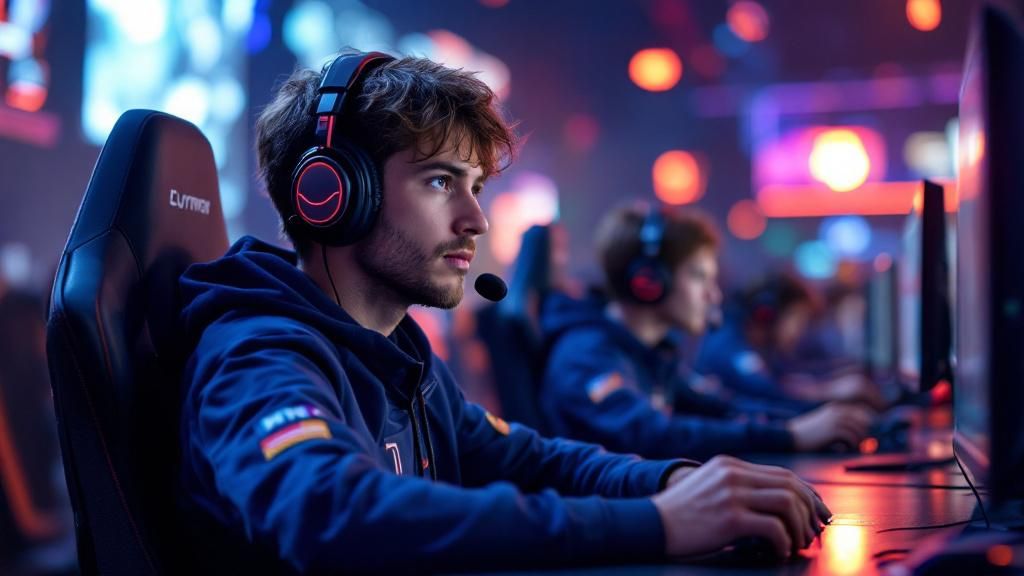
The esports industry has made considerable progress in emphasising competitor wellbeing. Prominent event operators have collectively introduced a comprehensive player welfare standards framework, confronting established worries about mental health, working conditions, and fair treatment within professional gaming. This significant undertaking represents a turning point for esports legitimacy, setting foundational safeguards that could reshape how the industry operates. We analyse the framework’s central components, the entities leading this transformation, and what it means for athletes and professional gaming in the future.
Comprehensive Industry Pledge to Player Wellbeing
The coordinated partnership between major esports companies marks a pivotal turning point for competitor welfare within esports competition. This unified framework demonstrates the industry’s genuine commitment to creating lasting protocols that prioritise competitor wellbeing alongside competitive excellence. By pooling resources and expertise, these organisations have created comprehensive guidelines addressing physical health, emotional health, and occupational safety. The programme demonstrates expanding understanding that competitor health substantially impacts competitive performance and professional lifespan, making it vital to the sector’s reputation and development.
Tournament operators have recognised that past requirements were disjointed and variable, exposing competitors to exploitation and burnout. The revised structure standardises expectations throughout leading tournaments, guaranteeing all professional athletes receives equitable treatment and access to essential support services. This coordinated approach eradicates unequal conditions stemming from inconsistent protections and sets fair competition standards. Industry figures stress that these standards represent minimum requirements, prompting entities to exceed baseline expectations and create truly caring settings where competitors can excel in career and personal development.
Essential Elements of the Welfare System
The newly established welfare framework comprises several interconnected pillars designed to safeguard player welfare completely. These components address mental health support, physical fitness, fair working conditions, and clear dispute handling procedures. By integrating these elements, tournament administrators aim to create a holistic approach that acknowledges esports athletes as professional athletes deserving robust protections. The framework establishes essential standards that all affiliated tournaments need to establish, ensuring standardised player protections across the competitive gaming landscape.
Mental Health Support Services
Understanding the mental health challenges inherent in professional esports, the framework stipulates access to mental health professionals for every competing player. Event organisers should offer confidential therapy services, via direct provision or partnerships with accredited mental health professionals. These services encompass stress reduction, anxiety management support, and crisis intervention resources. Players have access to qualified psychologists who comprehend esports-specific issues, including digital harassment, high-level competitive stress, and uncertain career prospects.
The framework also requires tournaments to introduce mental wellbeing education initiatives and anti-stigma campaigns across the community. Organisers are required to inform players, coaches, and staff about recognising mental health concerns and accessing appropriate support. Ongoing assessments and health surveillance programmes enable identify struggling players early, facilitating preventative measures before situations develop into serious psychological crises.
Physical Health Requirements
Tournament organisers must create comprehensive physical health standards covering ergonomics, rest periods, and clinical supervision. The framework requires proper seating, monitor positioning, and breaks to reduce RSI common among esports professionals. Healthcare professionals must attend at significant events to address acute health issues, whilst organisers are required to provide information about harm prevention and proper healthcare support for ongoing player improvement.
Environmental circumstances at tournament locations are now covered under strict requirements maintaining player wellbeing and safety. Regulations address temperature control, lighting standards, and noise levels to establish optimal performance conditions. Additionally, the framework promotes players to have regular health assessments and delivers guidance on diet, sleep hygiene, and exercise routines crucial for sustained competitive excellence in esports.
- Ergonomic equipment assessments performed by certified experts
- Required breaks between matches preventing player exhaustion
- On-site medical staff available during all tournament proceedings
- Injury prevention education and recovery programme access
- Wellness tracking systems monitoring athlete health across the year
Implementation Timeline and Standards
The framework will be deployed in three separate phases, beginning immediately with foundational reviews across member organisations. Tournament operators have committed to completing baseline audits of their current practices by the end of the first quarter, identifying gaps between current procedures and the updated requirements. This preliminary stage ensures a comprehensive assessment of each organisation’s current standing before making material alterations. Subsequent phases will involve employee development, guideline amendments, and the creation of autonomous monitoring systems to guarantee compliance and transparency throughout the esports industry.
The standards themselves include mandatory provisions relating to mental health support, sensible practice arrangements, and transparent prize distribution protocols. Each organisation must designate a specialist player welfare representative accountable for managing grievances and ensuring adherence to guidelines. Periodic reviews, carried out by third-party bodies, will confirm adherence and identify areas requiring improvement. These extensive protections establish measurable benchmarks for player safeguarding, with compliance procedures including monetary sanctions and prospective event bans for organisations failing to meet required standards.
Sector Response and Future Perspective
The initiative has garnered considerable endorsement from stakeholders across the competitive gaming sector. Players’ associations have praised the guidelines as a crucial development towards professionalising the space, whilst franchise operators and sponsors acknowledge the opportunity for improved legitimacy and sustainability. Equipment suppliers and streaming platforms have pledged to embed safeguarding measures into their day-to-day activities, reflecting a unified resolve to structural reform. Initial signs indicate that governing authorities and government officials regard the criteria favourably, potentially paving the way for statutory acknowledgement of competitive gaming as a legitimate professional sector.
Looking ahead, sector analysts anticipate that this framework will serve as a template for worldwide implementation, with regional tournaments and smaller competitions expected to implement comparable standards. The programme is expected to inspire continued dialogue regarding player compensation, professional progression routes, and mental health resources. As esports undergoes meteoric growth, these welfare standards constitute a vital protection mechanism ensuring that competitive gaming remains viable, inclusive, and considerate for all participants, ultimately reinforcing the industry’s position as a legitimate competitive sector.
